Exploring Wights in Odinism:
The Hidden Spirits of the Land and Home
Exploring Wights in Odinism: The Hidden Spirits of the Land and Home
In the living tradition of Odinism, also known as modern Heathenry or Germanic pagan reconstruction, the focus often centers on the High Gods such as Odin (All-Father), Thor, Frigg, and the other Æsir and Vanir. Yet an equally vital part of the faith involves honoring the wights; spirits known in Old Norse as vættir. These beings represent a deeply animistic layer of our ancestral worldview, reminding us that the world is alive with unseen presences that share our spaces and shape our daily lives.
The term “wight” comes from ancient Germanic roots meaning a living being or entity. In Odinist practice today, wights are generally understood as spirits that inhabit specific places rather than the distant gods of myth. They are not typically the ghosts of the dead, though some traditions include ancestral spirits among them. Instead, they embody the “spirit of place”—the unique vibe, energy, or genius loci of a location.
There are several types of wights commonly recognized:
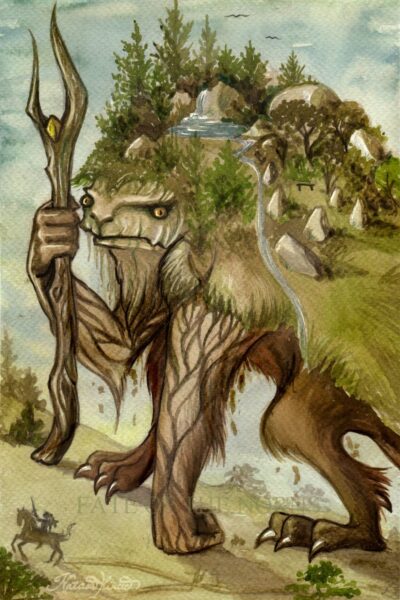
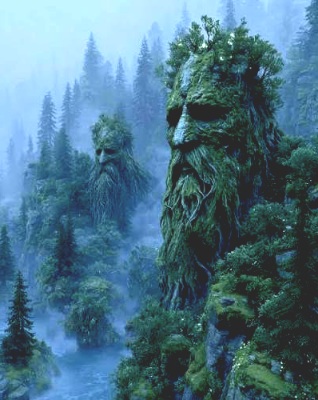
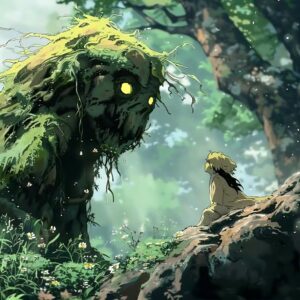
Land wights (landvættir) dwell in natural features: ancient trees, rocks, streams, mountains, forests, and fields. They act as guardians of the landscape. In the sagas, land wights could bless a region with fertility and protection or withdraw their favor if disrespected, leading to misfortune. When the Norse settled Iceland, they performed rituals to ensure good relations with these spirits, sometimes even avoiding certain actions that might offend them.
House wights or home wights (sometimes called cofgodas in Anglo-Saxon terms or house spirits akin to the nisse and tomte of later Scandinavian folklore) reside within dwellings. They may attach to a family, a building, or the land beneath it. These spirits often help maintain harmony in the household; protecting against misfortune, aiding with chores in folklore, or simply lending a sense of peace and “rightness” to the home when honored.
Other wights include sea spirits (for those near water), ancestral wights tied to family lines, and various hidden folk such as elves (álfar), dwarves (dvergar), or other nature beings. In broader Heathen understanding, even some lesser supernatural entities fall under the wide umbrella of wights.
Why do Odinists engage with wights? Our ancestors practiced reciprocity, the gift cycle. Just as we honor the gods with blots (offerings and toasts), we build relationships with wights through small, regular acts of respect. This fosters mutual benefit: healthy land, a thriving home, better luck, and a deeper connection to the natural world around us. Ignoring or offending wights could bring discord, while a good relationship brings blessings.
Practical ways to honor wights in modern Odinism include:
– Leaving small offerings outdoors or at specific spots on your property—milk, honey, bread, beer, or tobacco are traditional. Place them at the base of a favored tree, near a rock, or by the doorstep.
– Speaking to the land and home spirits aloud with simple words of greeting and thanks.
– Maintaining cleanliness and care for your environment as a form of respect.
– Asking permission before major changes to land or home, such as construction or large gardening projects.
– During holidays or full moons, setting aside a portion of your meal or drink as a libation.

Many practitioners report that consistent, sincere engagement changes the “feel” of a place for the better. The home feels more alive, the garden more productive, and daily life smoother. It is a grounded, practical spirituality that complements devotion to Odin’s wisdom-seeking path and Thor’s protective strength.
Wights remind us that Odinism is not only about lofty gods and heroic ideals but also about living in right relationship with the world as it is; full of hidden allies and powers that deserve acknowledgment. In an age of disconnection from nature, reviving this animistic awareness brings balance and rootedness.
These foundational practices of wight veneration form part of the broader tapestry of Odinist life, encouraging humility, reciprocity, and awareness of the unseen forces that surround us every day.
What are your experiences with wights or land spirits in your own practice? Have you noticed changes after beginning regular offerings? Share your thoughts, tips, or stories in the comments below; We’d love to hear how others incorporate the vættir into their Odinist path.