Clearing Misconceptions: The Spiritual Heart of Norse Tradition
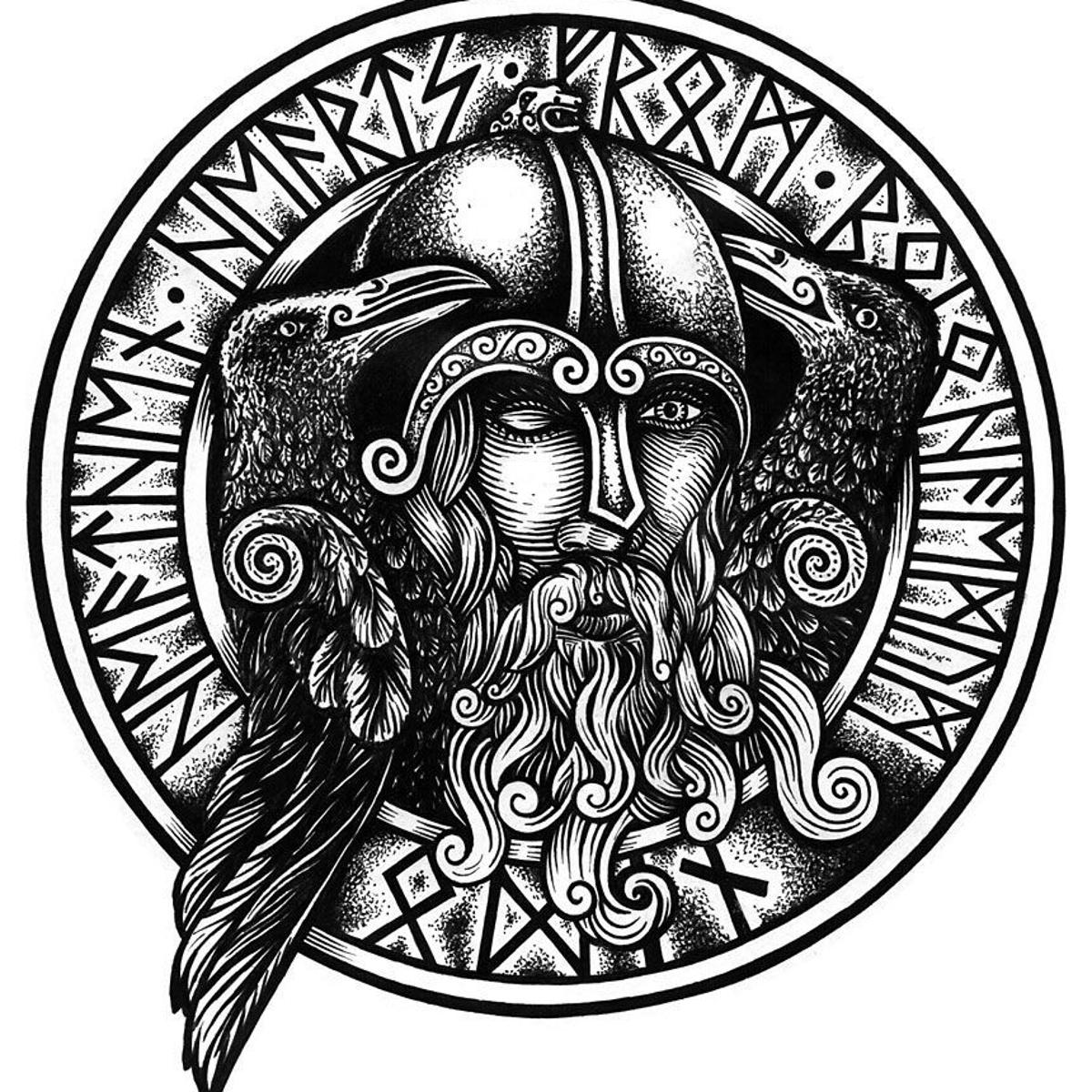
Clearing Misconceptions: The Spiritual Heart of Norse Tradition Norse spirituality; often called Odinism, Heathenry, Ásatrú, Northern Spirituality, or the Northern Way; draws from the pre-Christian beliefs, myths, and practices of the Germanic and Norse peoples of Northern Europe, with many Europeans from Scandinavia to Russia down to the sunny isles of the Mediterranean all seem to practice and have deities that mirrored each other.
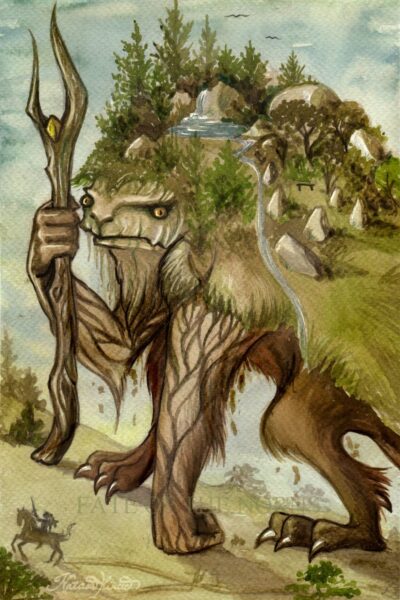
It centers on the gods of the Aesir and Vanir (Odin, Thor, Freyja, and others), reverence for ancestors, respect for the land and its spirits, and the pursuit of virtues such as courage, honor, hospitality, self-reliance, and wisdom. Like any living tradition, it has accumulated layers of misconception, especially in modern times. This essay addresses those distortions directly, affirms its nature as a spiritual path rather than a political identity, and clarifies its relationship to European heritage.
Addressing Key Misconceptions A common and damaging misconception is that Norse spirituality is inherently racist, ethnonationalist, or a vehicle for white supremacist ideology. This view often stems from the misuse of Norse symbols (runes, the Valknut, Thor’s hammer) by extremist groups, as well as romanticized 19th- and 20th-century nationalist movements. In reality, the historical Norse peoples were pragmatic traders, explorers, and settlers who interacted extensively with other cultures—from the Byzantine Varangians to trade networks reaching the Middle East and beyond. Modern reconstructions of the faith emphasize its polytheistic, animistic, and ancestor-honoring core, not genetic purity tests.
The vast majority of serious practitioners and organizations explicitly reject racial gatekeeping. Spirituality in this tradition is about reciprocal relationships with the gods, the wights (land spirits), and one’s ancestors—not about claiming superiority over others. Misusing sacred symbols for hate does not define the tradition any more than the Crusades or Inquisition define Christianity. Those who promote “folkish” exclusivity based on race often import modern racial categories alien to the ancient mindset, which was more tribal and cultural than biological in the contemporary sense. Another misconception frames Norse religion as purely “European-focused” in an exclusionary or supremacist way—as if it demands European ancestry for validity or promotes European dominance. While the tradition is undeniably rooted in the history, folklore, landscapes, and languages of Northern Europe (Scandinavia, Iceland, Anglo-Saxon England, and related Germanic regions), this heritage focus is cultural and spiritual, not a political boundary. Just as one need not be born in India to practice sincere Hinduism with respect for its origins, individuals from any background can approach Norse gods with genuine reverence, study, and cultural humility. Ancestry can enrich one’s connection—many are drawn to it through European family lines; but it is not a prerequisite for spiritual legitimacy. The gods call whom they will. Critics also sometimes paint the faith as inherently militaristic, fatalistic, or anti-modern because of its warrior ethos and Ragnarök mythology. These elements do exist and offer powerful archetypes for facing adversity with stoicism and bravery, but they coexist with profound emphasis on wisdom (Odin’s quest for knowledge), fertility and prosperity (the Vanir), hospitality, craftsmanship, and harmonious living with nature. The tradition supports personal development, family, community, and ethical living in the present world, not escapist fantasy or glorification of violence. Stance on Inclusivity and Spiritual Focus Norse spirituality is open to sincere seekers of any ethnic or cultural background who approach the tradition with respect, a willingness to learn, and a commitment to its core values. It is a polytheistic, animistic path that values diversity of experience while honoring specific ancestral streams. European cultural and historical focus provides depth and context; myths, sagas, runes, and seasonal customs are grounded in Northern realities; but this does not translate into exclusion or hostility toward others. We explicitly reject any politicization that turns the faith into a proxy for contemporary identity politics, whether supremacist or reactionary. The goal is connection with the spiritual: building frithy (peace and good relationships) with gods and wights, living with orlog (personal and ancestral deeds shaping fate) in mind, and cultivating the Nine Noble Virtues or equivalent ethical frameworks in daily life. Political engagement, when it occurs, should flow from individual conscience informed by tradition—not the other way around. The hall of the gods is not a voting bloc. This inclusive yet rooted approach protects the tradition’s integrity. Forcing universal sameness would erase its distinctive European heritage and character. Demanding ethnic exclusivity would betray the living, relational nature of the faith and reduce gods to ethnic mascots. Instead, we encourage cultural hospitality: those drawn to the path engage its European sources deeply while bringing their own unique perspectives. Many mixed-heritage or non-European practitioners contribute meaningfully through scholarship, art, and devotion without erasing origins. Returning to the Source Authentic Norse spirituality thrives when practitioners prioritize direct experience—blót (offerings), meditation on the myths, ancestor veneration, and living in accordance with natural cycles—over online culture wars. The Eddas and sagas are primary sources to be read with both reverence and critical awareness of their Christian recording. Reconstructed practice evolves responsibly, guided by historical precedent where possible and personal gnosis where necessary. By proactively rejecting racial gatekeeping, political capture, and reductionist stereotypes, we clear space for genuine spiritual encounter. The Northern Way offers tools for resilience, wonder, and ethical strength in a chaotic world. Its European roots are a feature; providing rich, specific imagery and wisdom, not a barrier. The door is open to those called by the gods, the ancestors, or the land’s spirits. Approach with sincerity, study humbly, live honorably. The spiritual path welcomes you.