Yule in the Old Lore: Part 2
This is the second piece in our Yule series. If you missed the first one, start with Three Nights and a Full Horn: How Yule Was Kept in the Old North, which covers the Yule feast in the sagas.
Before the old English ever counted a new day of the new year, they spent a whole night honoring the mothers. Not one mother. The mothers. Bede, the monk who wrote it down, was not even sure what they did that night. He just knew it lasted until morning and that it mattered enough to start the year.
Last time we looked at Yule in Norway: the horns passed over the fire, the toasts to Odin and to Njord and Frey, and the memory cups for the dead. This time we stay closer to home and look at the women in the old faith who watched over the family line. They show up in three places: in Bede’s book, on old carved stones from the Rhine country, and in the sagas as the dísir.
What Bede Wrote
Around the year 725, Bede wrote a book on how to count time, called The Reckoning of Time. In it he took a moment to describe the calendar the English used before they became Christian. He said they started their year on the same night Christians now celebrate as Christmas Eve, and that they called it Modranecht. He translated it into Latin as the night of the mothers. He thought the name probably came from ceremonies they held all through that night.
That is all he said. Bede is the only writer who mentions it, so anyone who tells you exactly how Mothers’ Night was kept is guessing. But the little we have is enough to tell us something important. The English did not start their year with a war god or a harvest. They started it by honoring the mothers.
The Mothers on the Stones
So who were the mothers? Bede does not say. But there is a good clue on the other side of the North Sea.
All across the Rhineland and the old Roman border country, people set up stone altars to goddesses known in Latin as the Matres and Matronae, the Mothers and the Matrons. These stones date from the first to the fifth century, and more than 1,100 of them are known. About half of the names on them are Celtic and about half are Germanic.
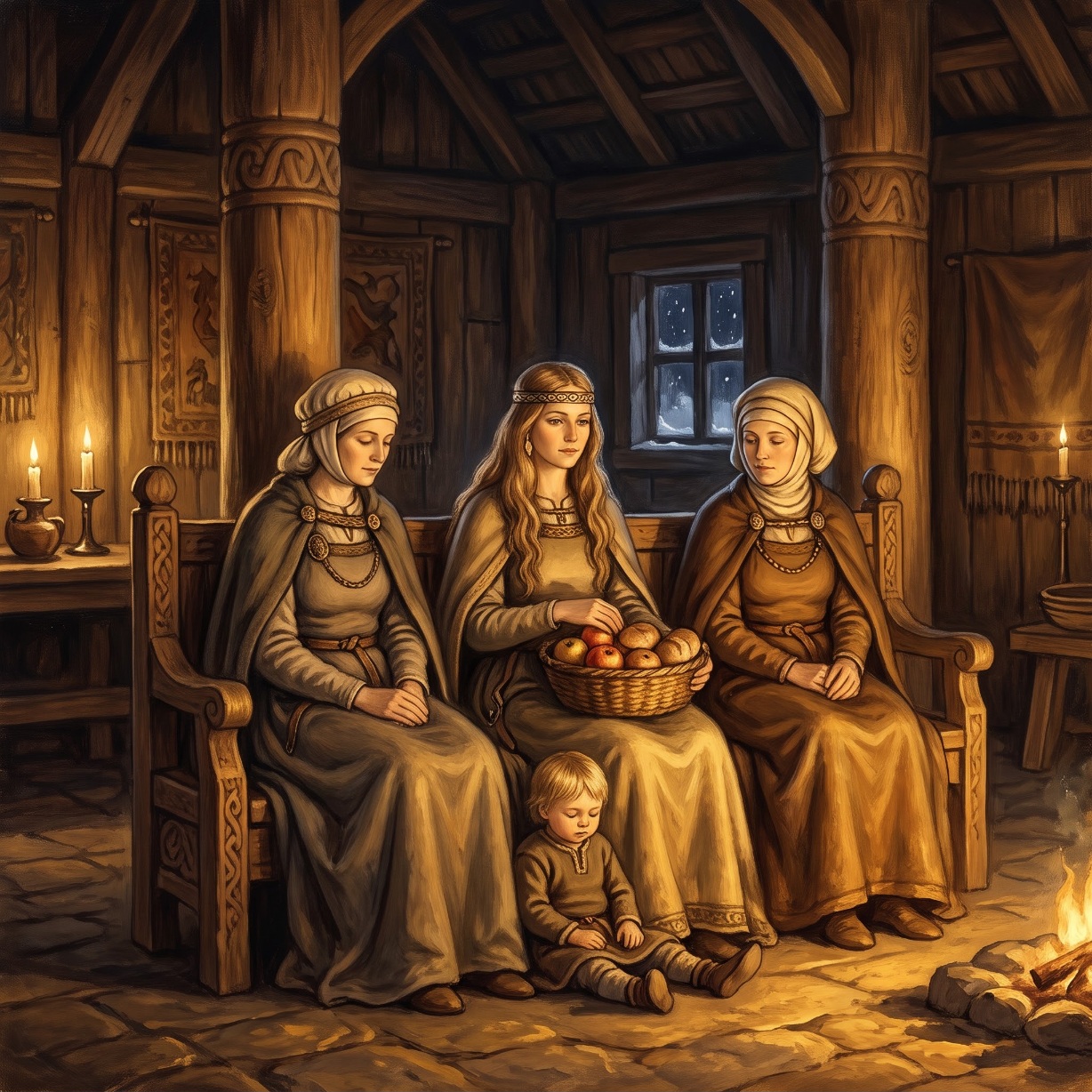
The Mothers almost always come in threes. They are carved facing straight out at you, standing or sitting side by side, and at least one of them usually holds a basket of fruit in her lap. Some stones also show children, snakes, and offerings like incense, pigs, and bowls of fruit.
Three women, side by side, a basket of fruit in a lap and a child close by. They were not war goddesses. They were the ones who kept the family going.
Nobody can prove the Mothers on those stones are the same mothers the English honored on Modranecht. They are hundreds of years and a sea apart. But a lot of scholars think the two are connected, and it is hard to look at those carvings and not think of a night set aside for the mothers.
The Dísir
In the North, the sagas talk about female spirits called the dísir. The word can just mean “lady,” but in the lore the dísir are spirits tied to fate who could help a family or turn against it. Many scholars think they were protectors of a clan, and some think their worship grew out of honoring the dead. Their roles overlap with the fylgjur, the valkyries, and the Norns.
There was even a feast for them, the dísablót. It shows up in several sagas, though not always at the same time of year. One saga puts it at Winter Nights, when winter begins, and another puts it in the fall. At Uppsala in Sweden there was a big public dísablót in late winter, tied to a great assembly and fair. In western Scandinavia it seems to have been kept at home, by the family.
So the dísablót was not a Yule feast. But it points the same way as Mothers’ Night. Our ancestors believed there were women of the line, whether goddesses, guardian spirits, or mothers who had passed on, who kept watch over their kin. And they believed those women deserved a feast of their own.
Why It Matters
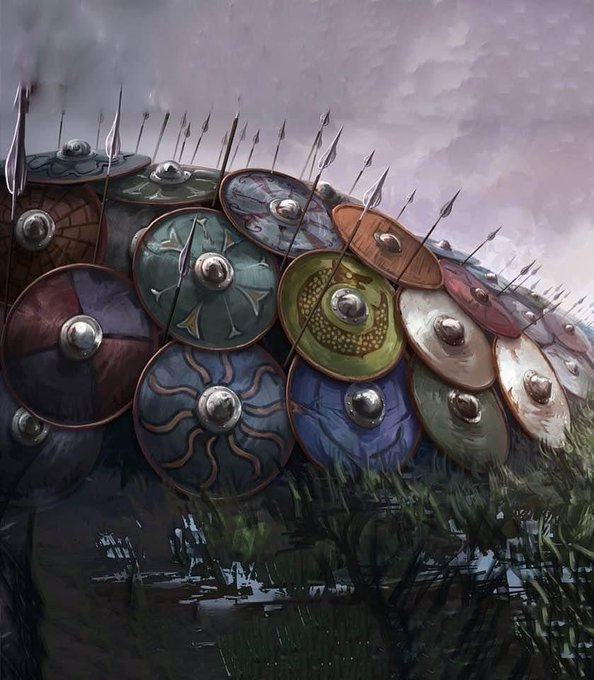
It is easy to look at the old North and see only the warriors: the ships, the shield walls, the oaths sworn over a horn. Those things are real, and we write about them here often. But none of those warriors got here without a mother. None of them had a home to fight for without the women who kept it.
We wrote about this in Odinism, women’s role as mothers. Mothers’ Night takes that idea and puts it right at the start of the year. Before anything else, you remember where you came from.
Keeping Mothers’ Night Today
We do not know how the old English kept the night, so there is no wrong way to do it, as long as it is done with respect. Here are a few simple ideas:
- Pick the night. Bede puts it on the night before December 25. Many Heathens keep it on the solstice or the first night of their Yule instead. Choose one and stick with it.
- Set out the mothers. Put photos of your mother, grandmothers, and great-grandmothers on your ancestor shelf or the table. If you have something that belonged to one of them, set that out too.
- Fill a basket. The Mothers on the stones hold fruit. A bowl of fruit, fresh bread, or something baked from a family recipe makes a good offering.
- Say their names. Raise a horn or a cup and name every woman in your line you can. Tell one thing she did or taught. If you do not know their names, this is a good reason to find out.
- Honor the living ones. Call your mother. Visit your grandmother. Thank the women who are raising kids in your family and your kindred right now.
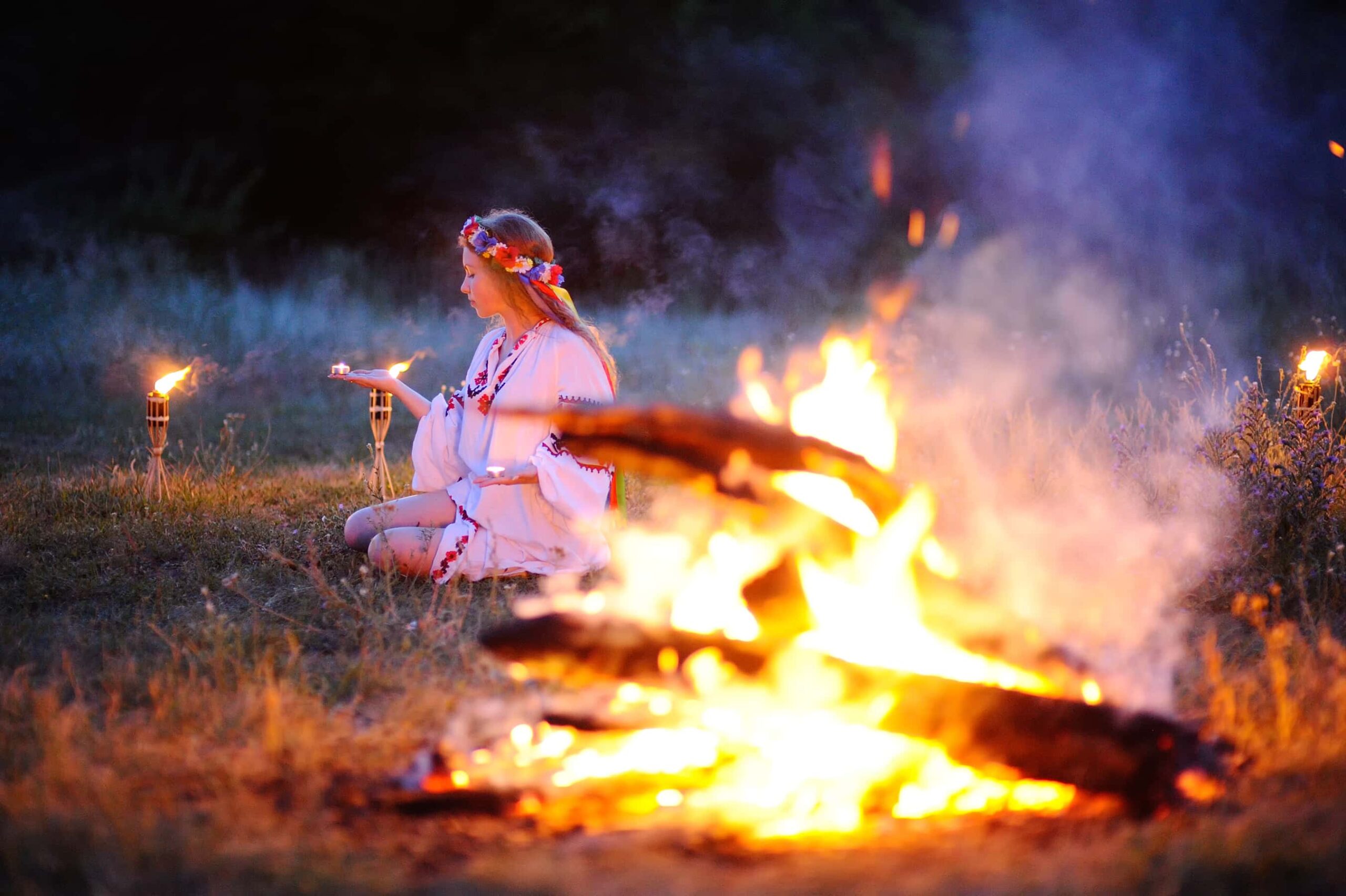
- Keep a light burning. Bede says the rites went all night. You do not have to stay up until dawn, but a candle left burning, safely, is a simple way to keep the watch.
However you keep it, the point is the same as it was for our ancestors. The year does not start with what we want. It starts with thanks to the ones who carried us. That is frith at its root, and it is why we say love your folk.
Sources
- Módraniht, Mothers’ Night (Bede’s account)
- Matres and Matronae (the Mothers on the stones)
- Dísir and the dísablót
- Yule (overview and history)
Yule in the Old Lore:
Part 1: Three Nights and a Full Horn
Part 2: Mothers’ Night (you are here)
Part 3: The Boar and the Yule Vow (coming soon)